
Search engine optimization (SEO) is essential for nonprofit marketing and fundraising teams. As a result, we wanted to share with you this special Google SEO training webinar. Understanding SEO, even at a high level, is essential for every nonprofit leader. In short, digital marketing depends on it, and so does your fundraising revenue. If you do it correctly, you’ll find your site visits and revenue dollars increasing because the right people engage more with your content.
The webinar is available free in this recording.
Why Is Google SEO Training Essential for Nonprofits?
As we know, Google is the largest search engine on the planet. And every day, people do millions, if not billions, of searches on its platforms. So, for nonprofits and any business, proper SEO ensures you appear at the top of the rankings when people search for related keywords. Of course, it stands to reason that the more people find you at the top, the more they become aware of your nonprofit. And that certainly leads to increased support and fundraising dollars.

How to Ensure You Get Found on Search Engines
Now that you understand the importance of Google SEO training let’s look at 3 of the 5 reasons to get found. If you want to know all 5, check out the webinar.
1. Google’s Webmaster Guidelines
One of the first things you should do to ensure successful Google SEO training is to look at their webmaster guidelines. By understanding how your site gets found and ranked, it’ll go a long way toward success. Even if you have an SEO consultant, you get the chance to have informed conversations. By the way, make it a point to read their section on the most common forms of deceptive behavior. You want to know what to avoid!
2. Get an SEO Plugin
Fortunately, tools exist to ensure that you rank well and optimize for SEO your blog posts and site pages. Our team LOVES using the Yoast SEO Premium plugin. Using it is worth the investment. As a result of our use, we could easily see what’s needed when articles get crafted to optimize them. For instance, it scores keyword usage, use of transitional words, sentence length, etc. Getting the plugin ensures your site gets indexed, has the proper preview snippets, and is properly readable.
3. Social Media Impacts Your Digital Marketing
Digital marketing is dependent on what you do across your site, Google ads, and social media. Think about it as a web of activity. And the better you get at it, the higher you’ll rank on SEO with the Google algorithms. As it relates to social, platforms such as Twitter, Instagram and Pinterest now appear in search results. So, it’s an opportunity for you to increase your visibility, particularly if you’re smart about your keyword usage.
Google SEO Tips for Nonprofits
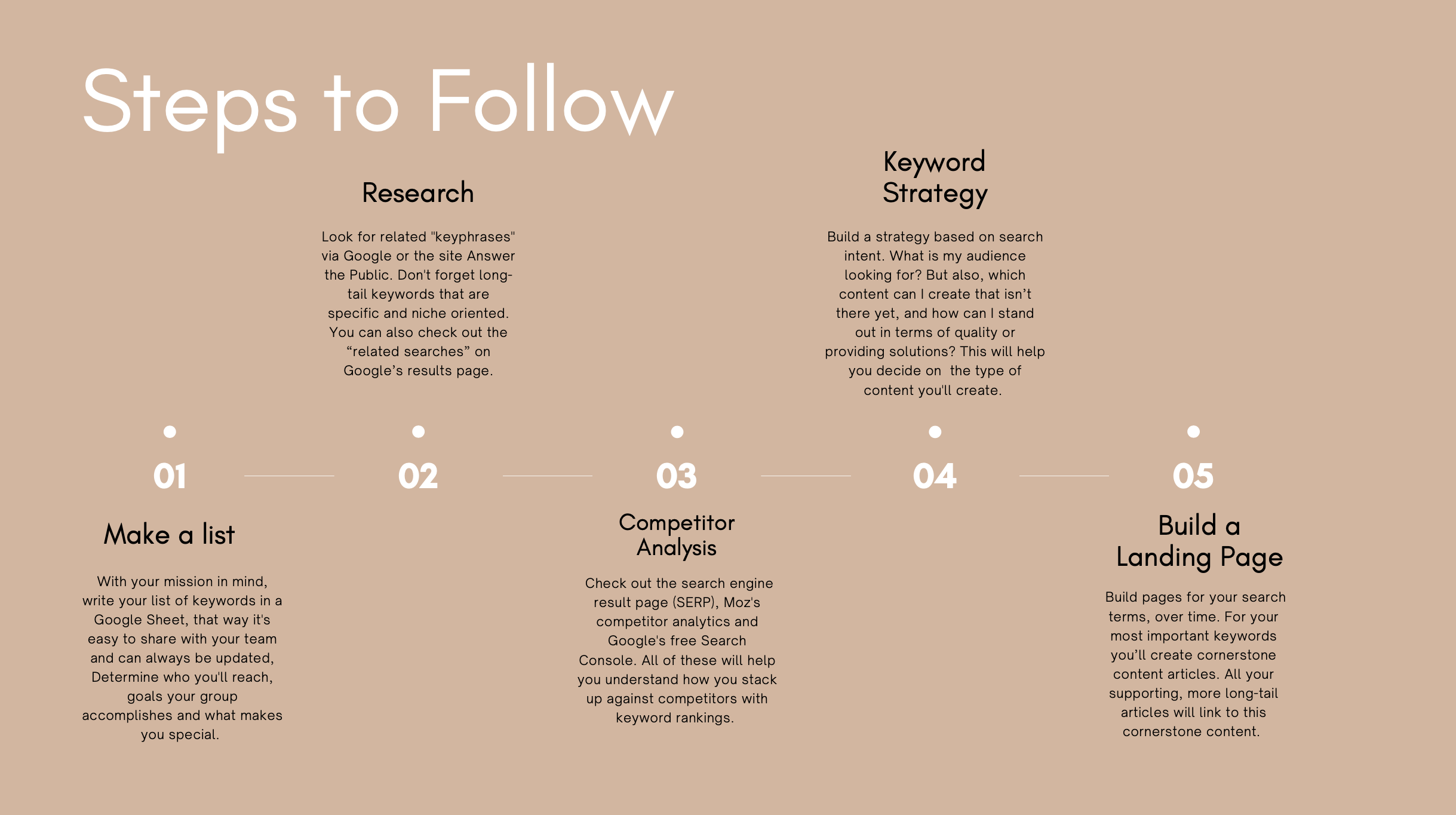
Let’s move forward in our Google SEO training to discuss some essential tips from the webinar. These tips will ensure that you move up in your nonprofit search ranking if you keep them in mind consistently.
1. Make a Keyword List
A fundamental part of SEO success is your use of keywords throughout your site and on social. As a result, we recommend that you write a list of words related to your mission. Then use a platform such as Google Keyword Planner or Moz to ensure you use the best keywords (e.g., those in demand).
2. Do Your SEO Research
Keyword research is a continuous part of digital marketing. In other words, you need it for site building, social, and for the blog articles you write. Make it a point to search for keyphrases using Google and also Answer the Public. It’ll help you see what’s trending related to your mission and the topics you care to share with your audience.
3. Do Competitor Analysis
Yes, we know that the nonprofit sector is all about social good, but you also have competition. In short, someone else may do what you do, and you compete for fundraising dollars. So, understand the search engine result page (SERP), competitor analytics, and Google Search Console. All of these tools help you know what the competition’s doing and how you compare.
4. Build a Keyword Strategy for SEO Success
As with everything, strategy and planning are essential to success. And, it goes a level deeper. As it relates to search engine optimization, you want to create your plan based on your target audience’s intent. So, you need to answer questions, such as what they need from you. But to be the best, you also want to figure out how you could stand out with your solutions for them to support a good cause.
5. Create and Promote a Landing Page
As we mentioned, to understand Google SEO training, you have to think of it all as a web. For example, link-building will help you drive your content to the top depending on cornerstone content articles. From there, your supporting content and long-tail articles link back to your cornerstone content. That allows you to dominate keyword search terms.
How to Get Started on SEO Copywriting
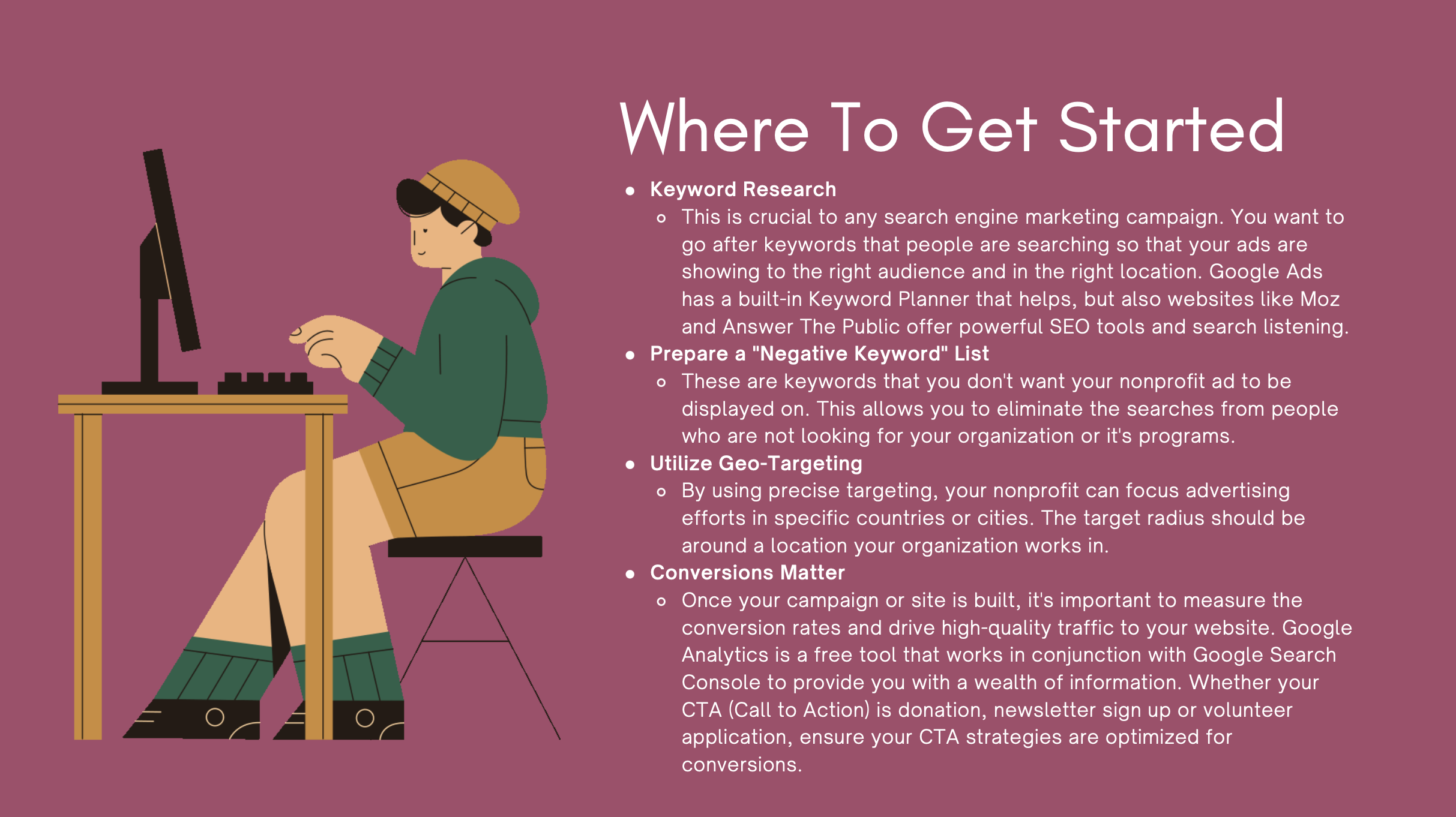
If you want to get to the top of the search engine results (and you do!), you have to master SEO copywriting. As we discuss in the webinar, several elements are involved in it—aside from good writing. For instance, you have to have a writer who understands the value and how to do keyword research. Another element of copywriting for SEO is to develop a negative keyword list. In short, this is a list of keywords where you don’t want your ads to appear. For example, if your nonprofit has an educational mission, you don’t want to appear in search engine results for animal-related organizations.
It’s worth it for your nonprofit to invest in some Google SEO training for your copywriter. You could do it on platforms such as Yoast, Moz, or Hubspot. However, something to keep in mind is that your writer always has to write with your audience in mind. And this isn’t about literary writing. The writer has to keep things simple. So, keep sentences short (less than 20 words), use words with about two or three syllables, and don’t forget to use transition words (e.g., and, but, so). You also want to make sure to break up the copy with headers.
Understanding Off-Site SEO
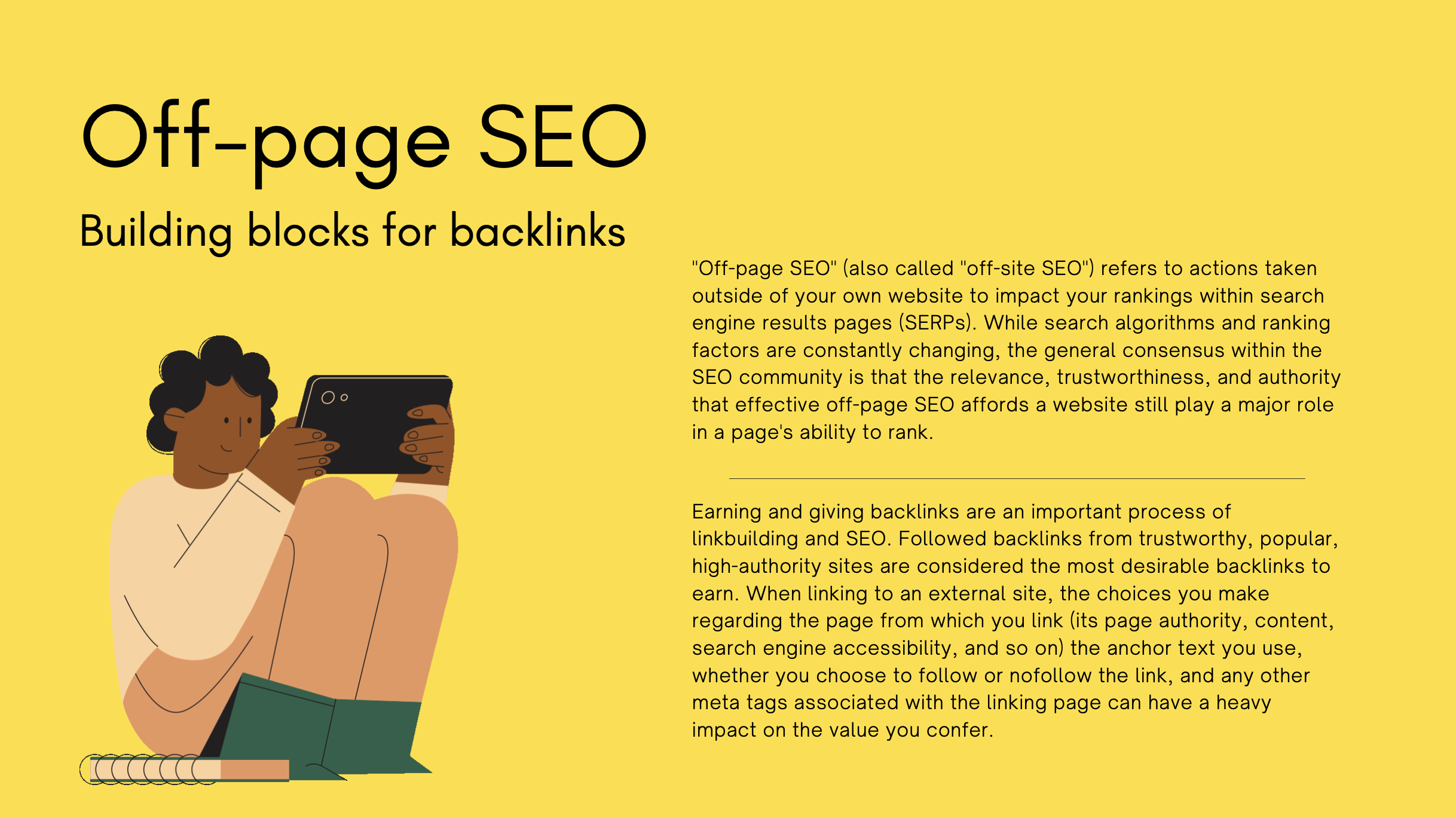
Finally, we would be remiss in our Google SEO training if we didn’t mention off-site SEO. It’s also called off-page SEO. What it refers to is the actions happening off your site that impact your SERP rankings. As a result, it’s vital to remember that Google rewards authority, relevance, and trustworthiness. In other words, your content cannot be manipulative. And as AI algorithms learn more language and how to pick up deceptive tactics, it’s nearly impossible to take the easy way through SEO. Don’t even go there, and avoid manipulation or deceptive SEO strategies.
However, off-page SEO is vital because it helps you build authority, trust in the community, and relevance for the search engines. Therefore, a link-building strategy that earns and gives others backlinks is essential. For instance, if your content (e.g., a blog post with a link to your site) is found on trustworthy and high-ranking sites, this indicates to the Google bots that you’re doing things right. As your nonprofit ranks higher, you’ll get requests for backlinking, and you’ll also seek it. Make sure to continually partner with top sites. For more information about this topic, Moz has a good guide for reference.
Make sure to follow us on our YouTube channel or Facebook. As we know, marketing’s constantly changing. So, if you want the latest in marketing and fundraising expertise, look us up on social and check out our resources and blog.
© 2021 Funds2Orgs. All Rights Reserved.