

School’s well underway, and if you’re an educator, you always look for ways to engage kids. Sit back and think of the kids getting curious and excited—going beyond memorizing facts. Instead, with project based learning, your students have a chance to dive into experiential learning. It’s a great approach that brings the real world into the classroom and piques the curiosity of young minds.
Embracing project based learning: A student’s adventure
Imagine a young student named Olivia who is passionate about saving the planet against climate change. But unlike in a traditional classroom, her learning didn’t come from textbooks and lectures. Nope. Instead, Olivia and the other students in her class learned about all the issues related to saving the environment in project based learning. On the first day of class, the teacher posed a challenge, “How can our school lower its carbon footprint?”
As a result, Olivia and her classmates formed teams. After brainstorming ideas, each group was responsible for researching a specific solution for the school. For instance, one team looked into how to lower electricity consumption at the school. Another team worked on researching waste reduction and management. And another team looked to interview local officials in town to gather insights about local environmental policies.
In short, the classroom dove head-first into project-based learning, which was super exciting for the kids. Why? The answer is that they had the chance to get past lectures and textbooks. The project allowed them to dive into an activity that was real and relevant to them. Moreover, it allowed them to figure out solutions for things they care about in a hands-on approach.

The three pillars of hands-on learning
If you’re looking for your students to move beyond the blank stares, you know you need to engage them. That’s why the best teachers, including you if you’re an educator, always seek ways to engage their students. Project based learning is a powerful approach to learning. One of the best ways to reinforce what a teacher speaks about in a classroom is to allow students to get involved with a hands-on project.
If you would like to add more curiosity and energy to learning in your classroom, then this form of learning may be an excellent approach. As you explore and develop it, it’s important to remember the three pillars of this teaching method.
1. Real-world relevance
One of the things many students wonder along the way is when they’ll use what they learn in real life. Of course, we know that learning about history, science, and technology is vital—even if students don’t become historians or scientists. Still, immersing students in real-life situations captures their attention. In sum, they see the connection between learning and their lives.
2. Collaboration and critical thinking
As every educator knows, collaboration and critical thinking skills are vital for today’s students. These soft skills allow students to develop and refine their teamwork, problem-solving, and communication abilities. Project based learning offers an opportunity for students to learn not only from the teacher but from each other, thereby rounding out their education.
3. Ownership of Learning
One final and decisive element of this type of learning is that students own their learning. In other words, they’re a participant in educating themselves. In Olivia’s classroom, student teams brainstormed the research and work each group would do. It allows students to plan their project, fuels autonomy, and empowers them to act.
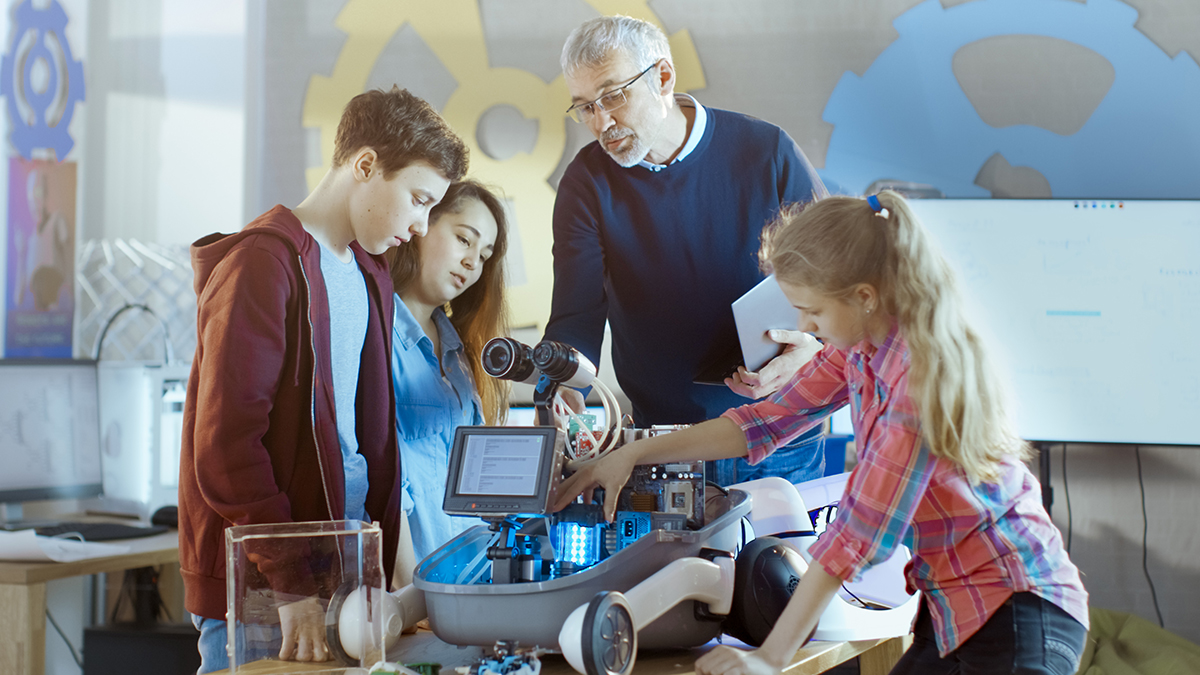
Project based learning in action
One of the best approaches to student learning is to figure out ways not simply to have them as passive recipients of information. A project based learning approach allows your students to become creators in their learning! As a result, they go beyond the boundaries of their textbooks. And they have the opportunity to explore their world and develop real-world solutions. So, what are some project learning ideas for the classroom? Let’s take a look.
- Community service. Think of what an issue your school or community needs help to accomplish. Perhaps it’s creating a community garden, lowering your carbon footprint, or volunteering at a local nonprofit. Community service is an excellent project for learning.
- Historical time capsule. Creating a historical time capsule to bury on your school’s property is a great project if you want to teach your students about history or the future. Include artifacts, souvenirs, and a newspaper from the date you bury it.
- Cultural exchange. We live in a wired world. So, why not do a cultural exchange project with students in another town across the country or worldwide? This type of project allows students to broaden their perspective beyond their community.
- Magazine. Want to keep the arts alive? Teach your subject matter through the creation of a digital or print magazine. Let your students become reporters, researchers, designers, and producers of a magazine about any particular school subject.
Making Learning an Adventure
In sum, project based learning is an excellent way to get your students involved hands-on in learning. Think of it like an adventure where you cede the reigns to the students in your classroom. Think about this approach to learning to energize young minds and foster and develop their creativity. Go on! Get started on planning the learning adventure for your classroom.
Need fundraising and marketing ideas? Take a look at our webinars, ebooks, YouTube, or Facebook for great insights.
© 2023 Funds2Orgs. All Rights Reserved.