
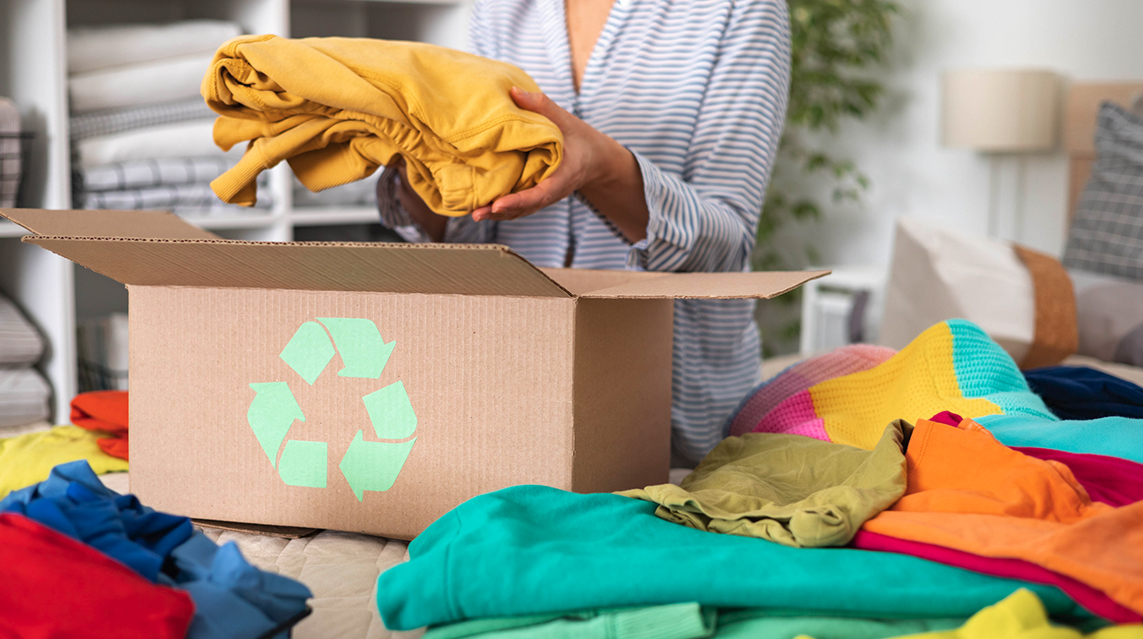

If you live in a city or large town, perhaps you’ve passed the clothing and shoe donation bins. You may have even dropped apparel into them, thinking you’re doing something good. However, that’s not always the reality. In fact, textile waste management is a complex issue, and well-meaning contributions can become environmental and social challenges. This article explores what you need to know for the next time you pass a collection bin to ensure that an ethical and responsible reuse provider handles your donation.
The Dark Side of Donation Bins
As many people know, textile waste is a significant problem, which is why our social enterprise has more than 20,000 partners collecting shoes for social good. For example, one of the statistics we share is that 300 million shoes end up in landfills annually. It’s a stat that doesn’t seem to budge. Still, when donors contribute and make donations to clothing or shoe collection bins that dot city streets and towns, they may be surprised to learn that the merchandise isn’t going to its intended destinations.
Unfortunately, one of the most significant situations is that some of these collection points aren’t operated by legitimate operators. Sometimes the bins are unmarked. In other words, you can see indicators that tell you to recycle clothing and shoes, but there’s no company name. Other times, they’re misleadingly labeled, but when you look up the organization, it doesn’t exist or it’s poorly rated. It’s become big business to collect textile waste. But sometimes, instead of the items going into the circular economy, they get sold on Amazon for profit.
Unscrupulous players may take the items in the bins and cream the top for sale within the United States or Europe. Then, they take the merchandise that remains and ship it off for sale to global markets in the Global South. In turn, when people purchase clothing in bales that they can’t often inspect, a high percentage of the clothing and shoes are wasted. In short, they are garbage and can’t be sold, but the sellers made a handsome profit. It’s essential to do a bit of due diligence to ensure you donate to a reputable social enterprise.
Where Your Clothing Donations Really Go
When you drop your clothes and shoes into a bin that’s of a bad actor, the best of it is typically resold for profit. However, the rest of it goes on a journey to developing countries. Here’s what often happens:
Sorting and Grading
As mentioned, the best quality merchandise received by bad actors gets sorted and graded. The best of the apparel gets sold on platforms such as eBay or Amazon. The rest of the textile waste is exported.
International Dumping of Clothing
The lower-quality items get shipped to countries around the world, but especially to Africa and Latin America. There, they flood the local markets. The low-quality clothing undercuts domestic textile production, hurting jobs because people in the reuse economy can’t sell low-quality items.
Environmental Impact of Textile Waste
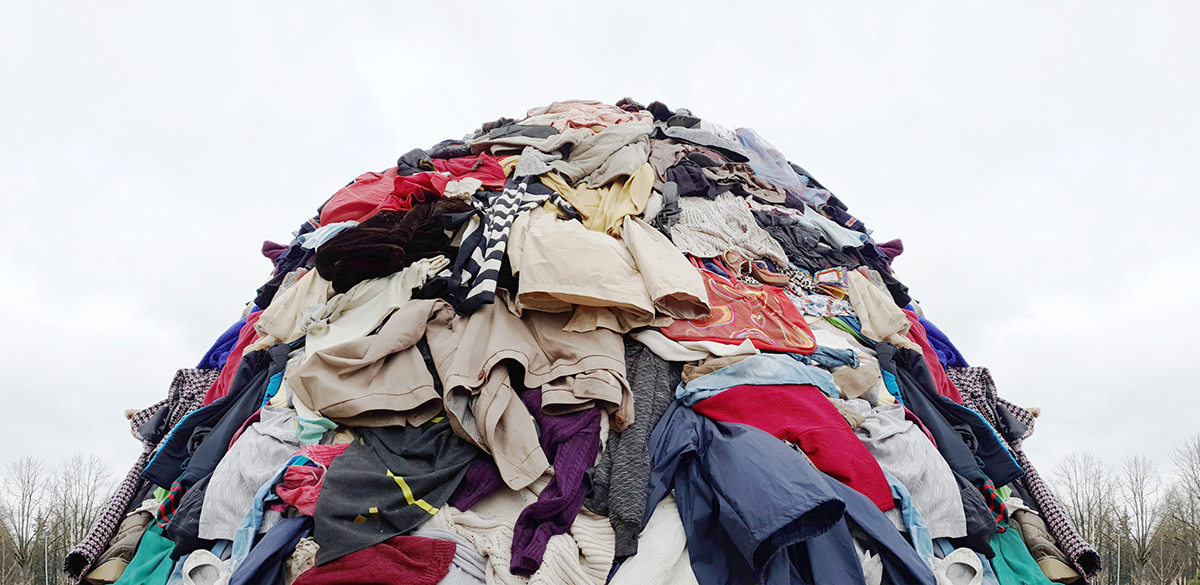
When textile waste doesn’t sell in local markets worldwide, it typically ends up in landfills. In many areas, the infrastructure for waste management is limited. So, the clothing and shoe waste adds to the environmental challenge.
Red Flags: How to Spot Illegitimate Collection Points
So, how can you protect yourself from contributing to an illegitimate collector? Well, there are a few things you can do, but you need to know how to spot fraudsters. When you want to donate clothing or shoes, look for these telltale signs at collection points.
- Lack of clear charity identification (i.e., name of the organization).
- Location points located in areas without proper permits.
- Use of vague language like “clothes for charity”—without using a name.
- Overflowing or poorly maintained collection bins.
- Don’t provide contact information for donations.
When you spot any of these things, it should alert you to the potential for it being a fraudulent collection point. So, how can you dispose of unwanted clothing and shoes with legitimate providers?
Making a Real Difference: Responsible Donation Practices
Of course, the solution to textile waste and contributing to bad actors isn’t to stop donating. The fact of the matter is that 70% of the global population reuses clothing and shoes. Moreover, millions of people have sustainable jobs in the reuse economy. Here’s how you can ensure your donations make a positive social and environmental difference.
Choose Verified and Well-Reviewed Clothing & Shoe Organizations
For one, partner with legitimate and well-reviewed organizations using platforms such as Google Reviews, Better Business Bureau, Trustpilot, and others. If you have a question, contact the organizations directly about the donation process.
Research Before You Donate
If the organization where the donation bin is a charity or social enterprise, take time to understand how it handles donations. Legitimate nonprofits should provide clear information about their processes and impact.
Consider Quality Over Quantity When Making a Donation
When you decide to donate, make it a point to focus on donating items that are in good condition. If clothing and shoes are torn and not usable, they can’t be resold by small businesses in developing nations.
Taking Action Against Textile Waste
The best way for you and others in your community to prevent a flood of unusable textile waste and the proliferation of bad actors in the reuse economy is to be informed. Choose legitimate donation channels, and avoid dropping items in donation points that seem questionable. Every donation made is a powerful decision for social impact and good.
Use that power wisely by partnering with proven partners who demonstrate shared values. The truth of the matter is that, together, we can solve the textile waste problem and not perpetuate it. Every thoughtful donation is a step in the right direction. In turn, these donations can lead us to a more sustainable future.
Check out our webinars, eBooks, YouTube, or Facebook.
© 2025 Funds2Orgs. All Rights Reserved.