
What is Micro-Enterprise?
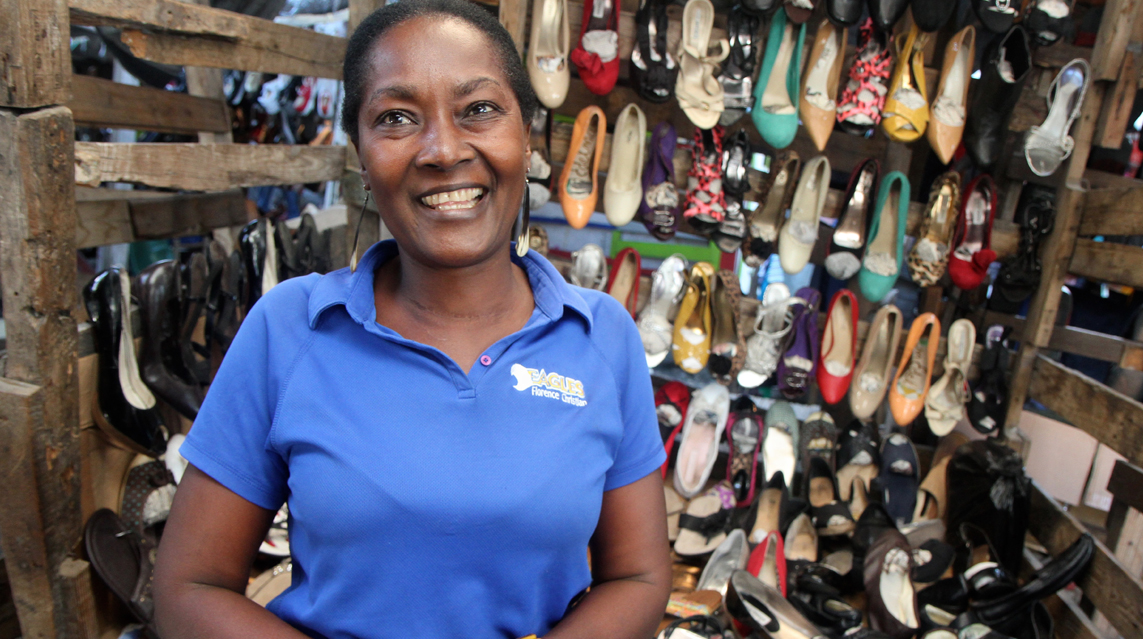
In developing nations, systemic poverty makes educational and work opportunities much more difficult. So, many people decide to take their destiny into their own hands and create micro-enterprises as a means of earning income.
Much like groups or individuals looking to raise funds for a cause they care about, micro-enterpreneurs work hard to gather the resources they need to achieve their goals and support their communities.
A micro-enterprise is a small business that typically has 10 employees or fewer, including the owner. They’re usually run by individual entrepreneurs or families.
Other characteristics that separate a micro-enterprise from other types of businesses include:
- Low required startup costs
- Limited capital, resources, and revenue
- A local or niche focus
You’re likely already familiar with micro-enterprises; you may just be more used to calling them “small businesses.” However, the term “micro-enterprise” is most often used to describe small-scale businesses in developing economies and underserved communities.
In these regions, micro- and small enterprises play a crucial role in economic empowerment and poverty reduction. They create jobs, help people access education or work, and keep people safe from environmental hazards or illnesses.
Why Shoes?
Shoes are among the most commonly discarded items in developed nations. In fact, Americans throw away an estimated 300 million pairs of shoes each year.
They’re also some of the most important items that impoverished communities rely on as a method of transportation to work, school, and other places.
Collecting gently worn, used and new shoes is a simple but highly effective way to support micro-enterpreneurs while also benefiting your own organization or cause.
Shoe Drive Fundraising Supports Micro-Enterprises
When you host a shoe drive fundraiser with Funds2Orgs, the shoes you collect become inventory for micro-entrepreneurs.
Then our micro-enterprise partners sell the shoes in their local communities for commerce and profit.
Small-family owned enterprises make up the vast majority of businesses in developing countries. And because of poverty, many have to create their own opportunities. So, your shoe drive fundraiser becomes a part of an essential commerce ecosystem.
Micro-Enterpreneurs In Action
 Meet Silvia
 Meet Silvia
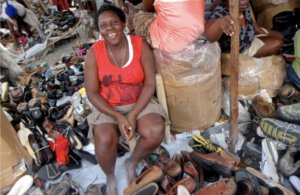
Following the 2010 earthquake that devastated her community, Silvia and her young son David lived on her salary of about $2 a day. After talking to a friend about the value of selling shoes, which were essential to prevent disease, especially in the aftermath of the earthquake, Silvia set out to work. For 12 hours a day, seven days a week, Silvia worked hard to start her own business, selling the footwear she purchased for pennies on the dollar from Funds2Orgs Group in her community. Today, Silvia is able to offer footwear for a fraction of the original cost, all while still turning a profit. With several staff members to help her grow her business, Silvia is doing better than ever and now earns more than $60 a day!
Meet David
 Meet David
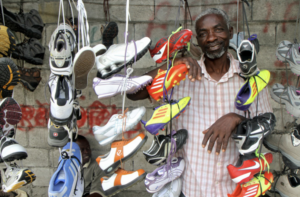
If you were to walk through the main market in Port-au-Prince, Marché en Fer, you might meet another micro-entrepreneur named David. He began selling shoes off a thin carpet that he laid out on the street. After selling the initial inventory of two dozen shoes that he received to begin his business, David saved his profits and started to invest a portion into new inventory. Today, David earns enough money in his business to support himself and his wife, who together sell hundreds of shoes annually.
See how hosting a shoe drive fundraiser can help your organization and micro-enterpreneurs in need: Get Started